
Do I Have To File ISF For American Clothing
Do I Have To File ISF For American Clothing?
If you’re importing clothing from the United States, you may be wondering if you have to file an Importer Security Filing (ISF), also known as a 10+2 form. This article will break down the requirements for filing ISF for American clothing imports, so you can ensure compliance and avoid any potential fines or delays in your shipment.
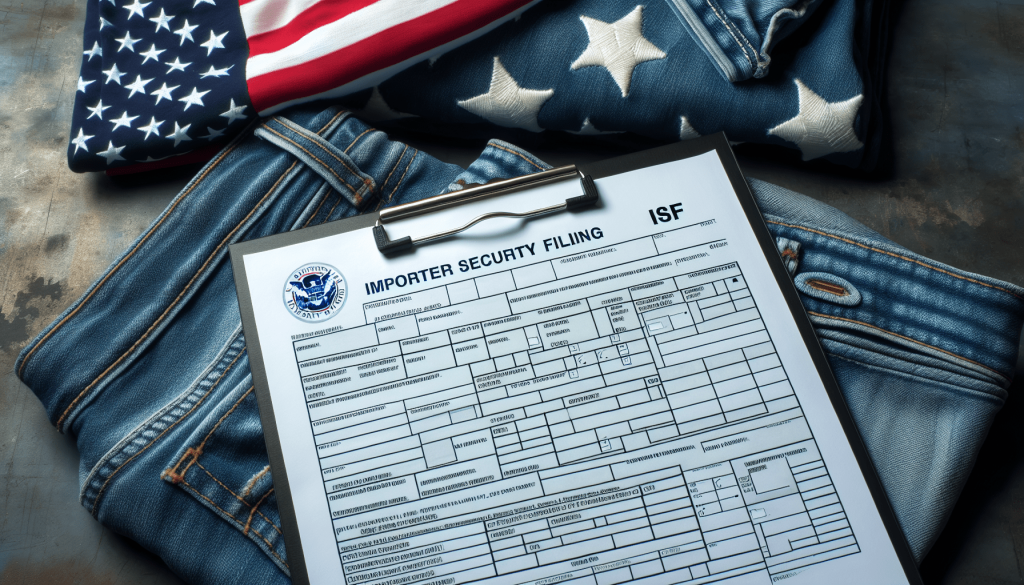
What is ISF?
ISF, or Importer Security Filing, is a mandatory document required by U.S. Customs and Border Protection (CBP) for all ocean shipments entering the United States by sea. It is also known as the 10+2 rule because it consists of 10 data elements from the importer and 2 data elements from the carrier. Importers are required to submit ISF information at least 24 hours before the cargo is loaded onto the vessel.
Why is ISF Required?
ISF was implemented in 2009 as part of the Security Filing regulation to enhance the security of U.S. borders and improve CBP’s ability to assess potential risks associated with incoming cargo. By providing advance information about the shipment, CBP can identify high-risk containers and prevent any potential security threats.
Do I Need To File ISF For American Clothing?
Exemptions
While ISF is required for most imports entering the United States by sea, there are certain exemptions to consider. If the value of your shipment is below $800, you are not required to file ISF. This exemption is often referred to as the “de minimis” value, and it applies to low-value shipments that are not subject to duties or taxes.
Apparel Imports
When it comes to clothing imports specifically, there are some additional considerations to keep in mind. If you are importing raw materials or fabric for clothing production, you may not be required to file ISF. However, if you are importing finished clothing ready for sale, you will likely need to submit an ISF for the shipment.
Filing ISF for American Clothing
If you are importing clothing from the United States, whether it’s a large shipment of wholesale items or a small order from a boutique, you will need to file an ISF. This requirement applies to all types of clothing, including outerwear, activewear, accessories, and footwear.

How To File ISF For American Clothing
Information Required
When filing ISF for your American clothing imports, you will need to provide the following information:
- Importer of Record Number: This is your IRS or EIN number, or your Customs assigned importer number.
- Consignee Number: The party to whom the shipment is consigned.
- Seller Name and Address: The name and address of the seller or manufacturer of the clothing.
- Buyer Name and Address: Your company’s name and address.
- Manufacturer Name and Address: The name and address of the company that produced the clothing.
- Ship to Party Name and Address: The recipient of the goods.
- Country of Origin: The country where the clothing was manufactured.
- HTSUS Number: The Harmonized Tariff Schedule code for the clothing items.
Filing Process
To file ISF for your American clothing imports, you can use a customs broker or a third-party filing service to submit the required information to CBP on your behalf. Alternatively, you can file ISF yourself through the Automated Broker Interface (ABI) system, if you have the expertise and resources to do so.
Timing
It’s important to submit your ISF information at least 24 hours before the cargo is loaded onto the vessel. Failure to comply with this deadline can result in penalties and delays in your shipment. Make sure to work closely with your customs broker or filing service to ensure timely and accurate filing.
Common Mistakes To Avoid When Filing ISF
Incorrect Information
One of the most common mistakes importers make when filing ISF is providing inaccurate or incomplete information. Make sure to double-check all the data elements before submitting your ISF to ensure accuracy and compliance.
Late Submission
Another common mistake is submitting ISF information after the 24-hour deadline. To avoid penalties and delays in your shipment, it’s crucial to file your ISF in a timely manner and work closely with your filing service to meet the deadline.
Failure To Amend
If there are any changes or updates to your shipment after you’ve filed ISF, make sure to amend the information promptly. Failure to provide accurate and up-to-date information can result in fines and possible seizure of your goods by CBP.
Consequences of Not Filing ISF
Penalties
Failure to file ISF or providing inaccurate information can result in monetary penalties imposed by CBP. These penalties can range from $5,000 to $10,000 per violation, depending on the severity of the non-compliance.
Cargo Delay
Not filing ISF or submitting incomplete information can also lead to delays in the release of your cargo. CBP may hold your shipment at the port of entry until ISF compliance is met, causing disruptions to your supply chain and unnecessary costs.
Supply Chain Disruption
Non-compliance with ISF requirements can disrupt your entire supply chain, affecting your relationship with suppliers, carriers, and customers. By ensuring timely and accurate ISF filing, you can avoid these disruptions and maintain the smooth flow of your import operations.
Conclusion
In conclusion, if you are importing American clothing into the United States, it is essential to file an ISF to comply with CBP regulations and secure the smooth entry of your shipment. By understanding the requirements for ISF filing, avoiding common mistakes, and working with experienced partners, you can ensure a seamless importing process and avoid any potential penalties or delays. Make sure to stay informed about any updates to ISF regulations and maintain accurate records of your imports to stay compliant and successful in your import business.
