
How To File ISF For Reflow Solders
Have you ever found yourself confused about how to properly file an Importer Security Filing (ISF) for reflow solders? It’s a task that may seem daunting at first, but with the right information, you can navigate the process smoothly. This guide aims to break down the steps and provide you with all the essential details you need to file your ISF correctly.
Understanding ISF
ISF, also known as the 10+2 rule, is a requirement by U.S. Customs and Border Protection (CBP) that mandates importers to provide information about their cargo before it arrives in the United States. This requirement is intended to enhance security and facilitate smoother imports.
When you’re dealing with specific products like reflow solders, knowing what information is necessary for the ISF can help you avoid potential issues at customs.
What Are Reflow Solders?
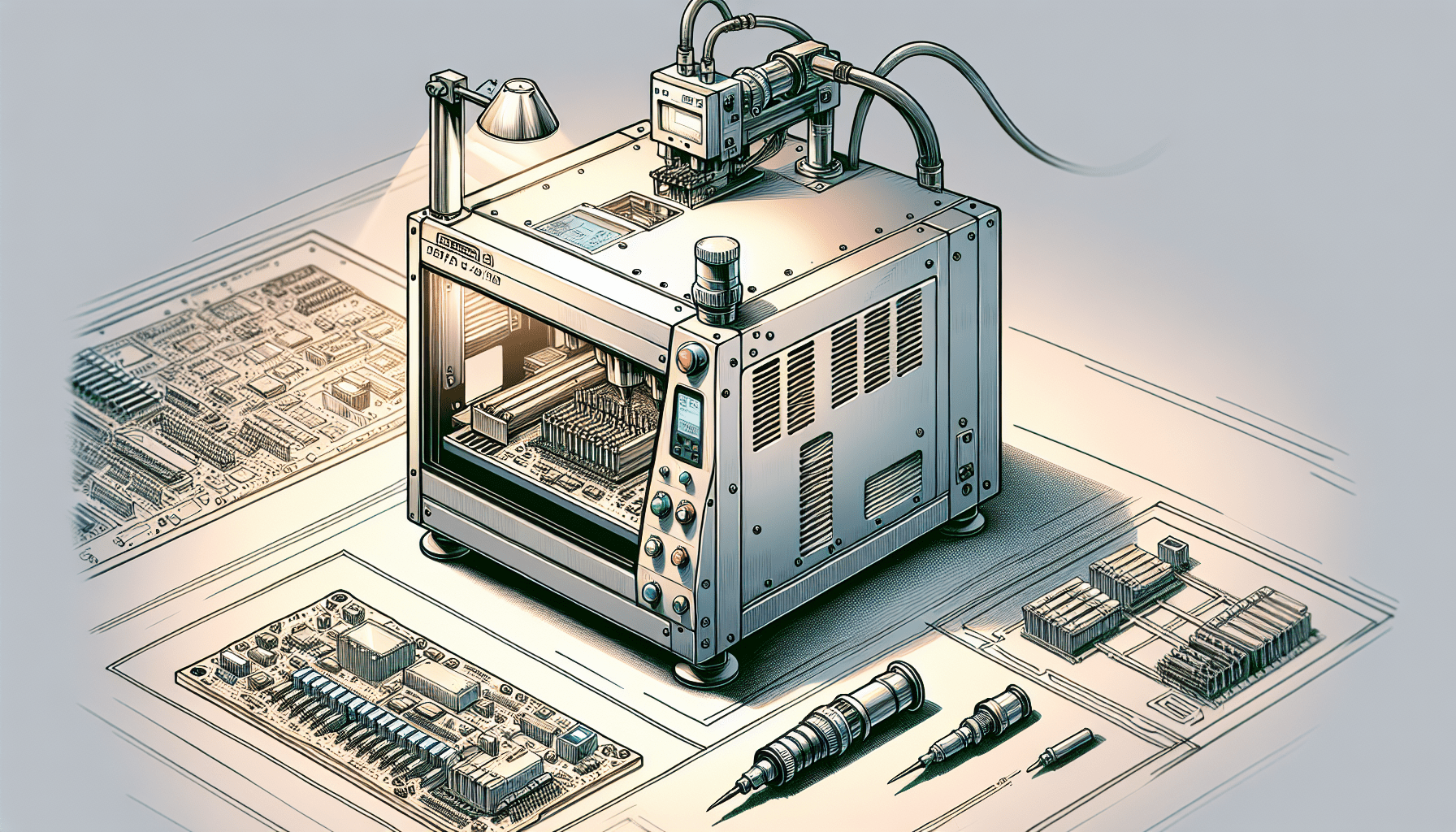
Before diving into the ISF filing process, let’s clarify what reflow solders are. Reflow solders are materials utilized in electronics manufacturing, particularly during the soldering of electronic components to printed circuit boards (PCBs). They are critical for ensuring that electronic circuits function smoothly.
It’s essential to understand the product you’re importing because certain materials may have unique requirements when it comes to filing ISFs.
The Importance of Accurate Filing
Filing an ISF is not just a bureaucratic task; it is essential for the timely clearance of your shipments through customs. If your ISF is incorrect or incomplete, it can lead to delays, fines, or even seizure of your goods.
Common Consequences of Incorrect ISF Filing
Here’s a brief overview of the potential issues that can arise from inaccurate ISF filings:
| Consequence | Description |
|---|---|
| Delays in Shipment | Your goods may be held at the port until issues are resolved. |
| Fines and Penalties | Incorrect filings can result in hefty fines from CBP. |
| Increased Scrutiny | Errors may lead to additional inspections and penalties. |
| Seizure of Goods | In severe cases, your goods may be seized by customs officials. |
Understanding these potential consequences should motivate you to take the filing process seriously.
What Information Does Your ISF Need?
Filing an ISF involves gathering specific information. For reflow solders, you will typically need to provide:
1. Importer of Record (IOR)
This is the entity that is responsible for ensuring that the imported goods comply with U.S. laws and regulations. If you are the importer, you should list your company details.
2. Consignee (Buyer)
The consignee is the individual or entity to whom the shipment is being delivered. You must accurately provide the consignee’s name and address.
3. Manufacturer or Supplier Information
You’ll need to include the name and address of the manufacturer or supplier of the reflow solders being imported. Accurate details are crucial here, as CBP will verify this information.
4. Country of Origin
This information helps customs determine the tariffs and duties applicable to the imported item. Make sure your documentation clearly states where the reflow solders are produced.
5. Harmonized Tariff Schedule (HTS) Code
The HTS code classifies your goods for tariff and statistical purposes. For reflow solders, accurate classification is essential to avoid costly mistakes. Familiarize yourself with the HTS codes specific to your product.
6. Container Information
You need to provide details about the container in which the goods are shipped. This includes the container number and the total number of containers in the shipment.
7. Bill of Lading Number
This document acts as a receipt for cargo services and outlines the details of the shipment. It includes the shipping company’s information and the movement of goods.
8. Entry Type
Specify the type of entry you are filing, such as a consumption entry or a temporary entry, as this affects how your ISF is evaluated by customs.
By ensuring you have all these details, you can complete your ISF more efficiently.
How to File ISF for Reflow Solders
Now that you understand what information you need, let’s go through the steps for filing your ISF for reflow solders.
Step 1: Gather Required Information
Start by collecting all the necessary details we’ve discussed. Having all your information organized will make the process smoother.
Step 2: Choose Your Filing Method
You have a couple of options when it comes to filing your ISF:
- Direct Filing: You can file the ISF yourself through a customs agency or use an online platform that offers ISF filing services.
- Using a Customs Broker: If you prefer not to handle the filing yourself, you can enlist the help of a licensed customs broker. This can save you time and ensure that everything is filed correctly.
Step 3: Complete Your Filing
If you’re filing directly, you will need to complete an ISF form, typically known as the ISF 10+2 form, which requires you to input the gathered information accurately. Be thorough, as each field is essential for the processing of your ISF.
Step 4: Submit Your ISF
After completing the form, submit it electronically to the correct customs authority. You must do this at least 24 hours before your shipment is loaded onto a vessel for transport to the U.S.
Step 5: Confirm Submission
Once your ISF is submitted, you need to verify that it has been received and accepted. You can do this through your filing platform or by checking in with your customs broker.
Step 6: Monitor for Updates
After your ISF is submitted, keep an eye on any notifications from customs. Addresses any issues promptly to prevent delays or complications with your shipment.
Tips for Successful ISF Filing
Filing an ISF can be overwhelming, but here are some tips to help simplify the process:
1. Start Early
Don’t wait until the last minute to file your ISF. Starting early gives you time to resolve any issues and ensures you meet the 24-hour deadline.
2. Keep Accurate Records
Maintain meticulous records of all your imports and their corresponding ISF filings. This can help you in case of audits and makes future filings easier.
3. Be Thorough with Your Information
Double-check all the information you’re providing for accuracy and completeness. Small errors can lead to significant consequences.
4. Utilize Technology
Take advantage of technology, whether it’s customs brokerage software or online filing platforms. They can streamline the process and reduce the likelihood of errors.
5. Consult Experts When Needed
If you find yourself overwhelmed, don’t hesitate to consult with customs brokers or logistics experts who can offer guidance tailored to reflow solder regulations.
Frequently Asked Questions
Answers to some common queries about ISF filings can provide further clarity on the topic.
What Happens If I Don’t File an ISF?
If you fail to file an ISF, your shipment can be delayed or rejected at the port. Additionally, you may be subject to penalties.
How Much Time Do I Have to File an ISF?
You must file your ISF at least 24 hours before your shipment departs for the United States. Ensuring timely submission can prevent delays.
Can I Amend My ISF After Filing?
Yes, you can amend your ISF if you discover an error after submission. However, it’s essential to make amendments as quickly as possible.
Is There a Fee for Filing ISF?
Fees can vary depending on whether you file directly or use a customs broker. Check with your chosen method for detailed pricing.
Conclusion
Filing an ISF for reflow solders doesn’t have to be a daunting task. By understanding the requirements, gathering necessary information, and following the outlined steps, you can ensure a smooth import process. Being proactive and detail-oriented can save you a lot of time, effort, and potentially avoid costly mistakes.
Now that you’re equipped with this information, you can approach your ISF filing confidently. If you ever feel overwhelmed, remember that seeking help from professionals in customs and shipping can make all the difference. Happy filing!